

GASTRIC SLEEVE IN MONTERREY N.L

All Inclusive Medical Package starting at $3,500 USD
*Prices may vary depending on the payment method (cash, card, or bank transfer), the hospital, and the comprehensive medical evaluation. A consultation is essential to obtain a final estimate, as these prices may change depending on each patient's clinical condition.

d40076

Paga a 12 mensualidades
desde $6,250 con tu tarjeta de crédito
Promoción aplica únicamente en Hospital Ossis. Calz San Pedro 804, Fuentes del Valle, 66224 San Pedro Garza García, N.L.
Consulta Términos y Condiciones durante tu valoración inicial.

Your procedure includes
1 night at the hospital
Medical Fees
3 Psychology consults

4 Nutrition consultations
Medication Kit
Medical follow up
Your surgery will be performed at Hospital Clinic HCAC, Sertoma 313, Sertoma, 64710 Monterrey, N.L.
What is the gastric sleeve?
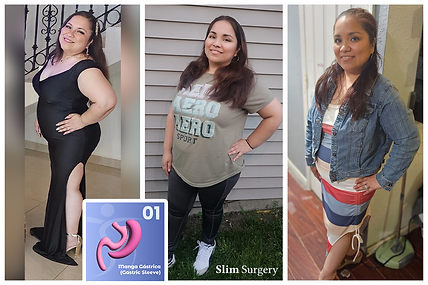
Gastric sleeve, also known as sleeve gastrectomy, is a type of bariatric surgery intended to help obese people lose weight. In this procedure, approximately 80% of the stomach is removed, leaving a tube-shaped or sleeve-shaped portion. This surgery significantly reduces stomach capacity, making the person feel full with less food. Additionally, removing part of the stomach reduces the production of a hormone called ghrelin, which is linked to hunger, helping to curb appetite. This surgery helps our obese patients lose an average of 60 to 70% of their excess weight in the first year, and between 80 and 90% in the second year. It is recognized worldwide for its high success rate, exceeding 90%.
How to prepare for the surgery?
In the weeks leading up to surgery, you may be asked to begin a physical activity program and stop smoking. Just before the procedure, there may be restrictions on food, drinks, and medications you can take. Now is a good time to plan for your recovery after surgery. For example, arrange for assistance at home if you think you'll need help.
Recovery
24 hours of hospitalization. The patient may travel home upon discharge. 7 days of non-strenuous rest at home (patient may walk, bathe, and perform simple activities at home). If work is not strenuous and under medical guidance from Dr. Andrea de Anda, some patients may return to work as early as day four. Exercise one month after surgery Normal life three months after surgery Ejercicio al mes de operado(a) Vida normal a los 3 meses de operado(a)
After the procedure
After laparoscopic gastric sleeve surgery, your diet begins with sugar-free, non-carbonated liquids for the first seven days, then moves to pureed foods for three weeks, and finally to regular foods approximately four weeks after surgery.
Results
Laparoscopic sleeve gastrectomy allows for long-term weight loss. The amount of weight you lose depends on the changes you make to your lifestyle. You can lose around 60%, or even more, of your excess weight within two years. In addition to weight loss, laparoscopic sleeve gastrectomy can improve or resolve conditions related to being overweight, including: Heart disease. High blood pressure. High cholesterol. Obstructive sleep apnea. Type 2 diabetes. Stroke. Infertility.
Why would the surgery not work?
It's possible to not lose enough weight or regain it after weight-loss surgery. You may gain weight if you don't follow the recommended lifestyle changes. For example, if you frequently eat high-calorie snacks, you may not lose the weight you need. To prevent weight gain, you should make some permanent, healthy changes to your diet and engage in regular exercise and physical activity. It's important to keep all scheduled follow-up appointments after weight-loss surgery so your doctor can monitor your progress. If you notice that you're not losing weight or experience complications after surgery, consult your doctor immediately.


Dra. Andrea De Anda
Cirujana Bariatra Certificada
A specialist in bariatric and metabolic surgery, her experience is backed by her track record and ongoing training. She is certified by the Mexican College of Surgery for Obesity and Metabolic Diseases (CMCOEM) and the National Regulatory Committee of Medical Specialty Councils (CONACEM).

CERTIFICATIONS


Assesment consultation: Everything begins here
Evaluate your options, clarify your doubts, and trust that you're in the best hands.

CARE MEDICAL HUB
Bolivia 103, Balcones de Galerías, 64620 Monterrey, N.L.


You might also be interested in...
Differences between Mini Gastric Bypass and Gastric Sleeve
Mini gastric bypass and gastric sleeve are two types of bariatric surgery designed to aid weight loss, but they are performed differently. Gastric sleeve: In this procedure, approximately 80% of the stomach is removed, leaving a tube-shaped portion. This reduces the amount of food that can be ingested and decreases hunger by affecting the hormones that regulate appetite. Mini gastric bypass: In this surgery, a small pouch is created at the top of the stomach and connected directly to the small intestine, bypassing a portion of the stomach and intestine. This limits the amount of food that can be eaten and reduces the absorption of calories and nutrients. Both procedures are effective for weight loss and improving obesity-related conditions, but they have different approaches to how they achieve these results. No procedure is better than the other. Each successfully serves its purpose if chosen according to clinical recommendations and the patient's degree of obesity.
Importance of Clinical Assessment
The choice between these two procedures depends on the patient's clinical condition, including their medical history, current weight, weight loss goals, and any existing comorbidities such as diabetes or heart disease. Evaluation by a specialized medical team is crucial. This team includes the prestigious Board Certified Bariatric Surgeon, Dr. Andrea de Anda, a nutritionist, a psychologist, and other healthcare professionals to ensure that the selected procedure is the safest and most effective for the patient.
Other procedures and prices
*Prices may vary depending on the payment method (cash, card, or bank transfer), the hospital, and the comprehensive medical evaluation. A consultation is essential to obtain a final estimate, as these prices may change depending on each patient's clinical condition.
Don´t let anyone else tell you, listen our patients stories
